
Territory
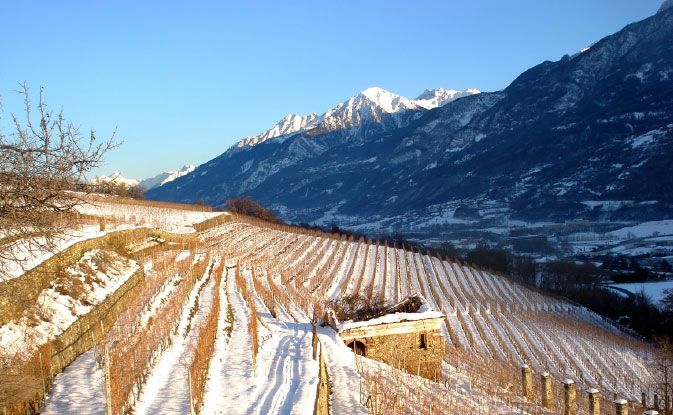
The winegrowing landscape extending along the mountain slopes is the visible sign of the man-nature relationship which distinguishes our ecosystem. Mountain winegrowing is also known as heroic winegrowing because of the difficult conditions in which vintners work. Mountain winegrowing, in addition to its economic and social consequences, plays a major role in the containment of the erosion of steep slopes and preserves the natural heritage of the areas where it is practiced. Some vineyards grow on terraced slopes supported by low dry-stone walls which require exclusively manual work.


| Homepage | Members | ||
| Association | News | ||
| Territory | • | Contact | |
| Via dei Vini | |||
|
Cookie policy Che cos’è un cookie e a cosa serve I cookie sono stringhe di testo di piccole dimensioni che i siti visitati dall’utente inviano al suo terminale (solitamente al browser), dove vengono memorizzati per essere poi ritrasmessi agli stessi siti alla successiva visita del medesimo utente. Nel corso della navigazione su un sito, l’utente può ricevere sul suo terminale anche cookie che vengono inviati da siti o da web server diversi (c.d. “terze parti”), sui quali possono risiedere alcuni elementi (quali, ad esempio, immagini, mappe, suoni, specifici link a pagine di altri domini) presenti sul sito che lo stesso sta visitando. Tipologie di cookies Cookie di sessione e cookie persistenti I cookie si possono limitare a una sessione o essere persistenti. I cookie di sessione vengono cancellati automaticamente dal computer alla chiusura del browser. I cookie persistenti rimangono memorizzati sul computer fino alla cancellazione o fino alla data di scadenza prestabilita. Cookies tecnici e di profilazione I cookie tecnici sono quelli utilizzati al solo fine di “effettuare la trasmissione di una comunicazione su una rete di comunicazione elettronica, o nella misura strettamente necessaria al
fornitore di un servizio della società dell’informazione esplicitamente richiesto dall’abbonato o dall’utente a erogare tale servizio” (cfr. art. 122, comma 1, del Codice Privacy).
Essi non vengono utilizzati per
scopi ulteriori e sono normalmente installati direttamente dal titolare o gestore del sito web. Cookies di prima parte e di terze parti I Cookies di prima parte sono quelli che appartengono al sito che li ha creati. I Cookies di terze parti sono invece creati da domini esterni al sito ed i cui dati sono conservati presso il soggetto terzo che dispone di una propria informativa sulla privacy e sul quale grava l'obbligo di informare l’utente sull’uso dei cookie e di acquisirne eventualmente il preventivo consenso in qualità di titolare del trattamento. Nel caso in cui un sito consenta la trasmissione anche di cookie di “terze parti”, l’informativa e l’acquisizione del consenso sono di norma a carico del terzo. È necessario che l’utente venga adeguatamente informato, seppur con le modalità semplificate previste dalla legge, nel momento in cui accede al sito che consente la memorizzazione dei cookie terze parti, ovvero quando accede ai contenuti forniti dalle terze parti e, comunque, prima che i cookie vengano scaricati sul suo terminale”. Tipo di cookie utilizzati Il presente sito utilizza cookie di tipo tecnico, al fine di agevolare il funzionamento del sito stesso e migliorare la navigazione dell'utente. Come disabilitare i cookie La maggior parte dei browser (Chrome, Safari, Internet Explorer, Firefox, etc.) sono impostati di norma per accettare i cookie in modo automatico. Privacy policy Gentile cliente, Il titolare e responsabile del trattamento Il “titolare” del trattamento dei dati personali relativi agli utenti che consultano questo sito web è Ass. Viticulteurs Encaveurs Vallée d'Aoste. Luogo del trattamento dei dati I trattamenti connessi ai servizi web di questo sito hanno luogo presso la predetta sede di Ass. Viticulteurs Encaveus Vallee D'Aoste e sono curati solo dal personale incaricato del trattamento, oppure da eventuali incaricati di occasionali operazioni di manutenzione. Nessun dato rilevato dal servizio web viene comunicato o diffuso all’esterno. I dati personali forniti dagli utenti che inoltrano specifiche richieste di informazioni sono utilizzati al solo fine di eseguire il servizio o la prestazione richiesta. Tipi di dati trattati Dati di navigazione I sistemi informatici e le procedure software preposte al funzionamento di questo sito web acquisiscono, nel corso del loro normale esercizio, alcuni dati personali la cui trasmissione è implicita nell’uso di protocollo di comunicazione di Internet. Si tratta di informazioni che non sono raccolte per essere associate a interessati identificati, ma che per loro stessa natura potrebbero, attraverso elaborazioni di associazioni con dati detenuti da terzi, permettere di identificare gli utenti. In questa categoria di dati rientrano gli indirizzi IP o i nomi a dominio dei computer utilizzati dagli utenti che utilizzano il sito, gli indirizzi in annotazione URI (Uniform Resource Identifier) delle risorse richieste, l’orario della richiesta, il metodo utilizzato nel sottoporre la richiesta al server, la dimensione del file ottenuto in risposta, il codice numerico indicante lo stato della risposta data dal server, ed altri parametri relativi al sistema operativo e all’ambiente informatico dell’utente. Questi dati vengono utilizzati al solo fine di ricavare informazioni statistiche anonime sull’uso del sito e per controllarne il corretto funzionamento. I dati potrebbero essere utilizzati per l’accertamento di responsabilità in casi di ipotetici reati informatici ai danni del sito. Dati forniti volontariamente dall'utente L’invio facoltativo, esplicito e volontario di posta elettronica agli indirizzi elencati su questo sito comporta la successiva acquisizione dell’indirizzo del mittente, necessario per rispondere alle richieste, nonché degli eventuali dati personali inseriti nella email. Cookies Leggi l'apposita sezione Cookie Policy La modalità del trattamento I dati personali sono trattati con strumenti informatici e manuali per il tempo strettamente necessario a conseguire gli scopi per cui sono stati raccolti. Specifiche misure di sicurezza sono osservate per prevenire la perdita dei dati, usi illeciti o non corretti ed accessi non autorizzati. Finalità del trattamento I dati personali sono trattati sono trattati con le seguenti finalità: Conferimento dei dati. Natura obbligatoria o facoltativa del conferimento dei dati e conseguenze della mancata resa Nell'eventualità in cui nel sito siano presenti form compilabili per richiesta di informazioni e servizi o disponibilità prodotti e prenotazioni, il conferimento dei dati contrassegnati
dall'asterisco (*) è obbligatorio e necessario per l'erogazione delle informazioni/servizi. Il conferimento degli ulteriori dati è facoltativo. Diritti degli interessati I soggetti cui si riferiscono i dati personali hanno il diritto in qualunque momento di ottenere la conferma dell’esistenza o meno dei medesimi dati e di conoscerne il contenuto e l’origine,
verificarne l’esattezza o chiederne l’integrazione o l’aggiornamento, oppure la rettificazione (art.7 del d.lgs n°196/2003). |
| Questo sito o gli strumenti terzi da questo utilizzati si avvalgono di cookie necessari al funzionamento ed utili alle finalità illustrate nella cookie policy. Per saperne di più o negare il consenso a tutti o ad alcuni cookie, consulta la cookie policy. Chiudendo questo banner, scorrendo questa pagina, cliccando su un link o proseguendo la navigazione in altra maniera, acconsenti all’uso dei cookie. |
chiudi
|